


| By Mike Bindon, ISTA Executive Director |
The structure of the Diploma Programme makes the arts easier to opt out of than other subject areas. Schools cannot change that structure, but they have far more influence over how students experience that choice than they might think.
When a student decides whether to study an arts subject in the IB Diploma Programme, we often focus on the final choice: did they choose theatre, visual arts, music, film or dance, or did they choose something else? But I have become increasingly interested in what happens before that moment. By the time a student reaches the subject-selection form, how much of that choice has already been shaped for them?
At the end of last year, I wrote about a pattern that emerged through my doctoral research: between 2014 and 2024, the number of full IB DP candidates worldwide grew by 43%, while the proportion taking an arts subject fell from 25.2% to 21.8%. Had participation simply held at its 2014 level, around 3,300 more students would be studying an arts subject each year.
Those figures tell us something important, but they do not tell us why students make the choices they do. That is what has interested me far more since sharing the research, particularly through the conversations I have had with educators around the world. Increasingly, those conversations have brought me back to something I have come to think of as permission.
By permission, I mean the accumulated signals from timetables, options booklets, counsellor language, parent expectations and school culture that tell a student whether an arts subject is a normal, credible academic choice or an exception they must justify.
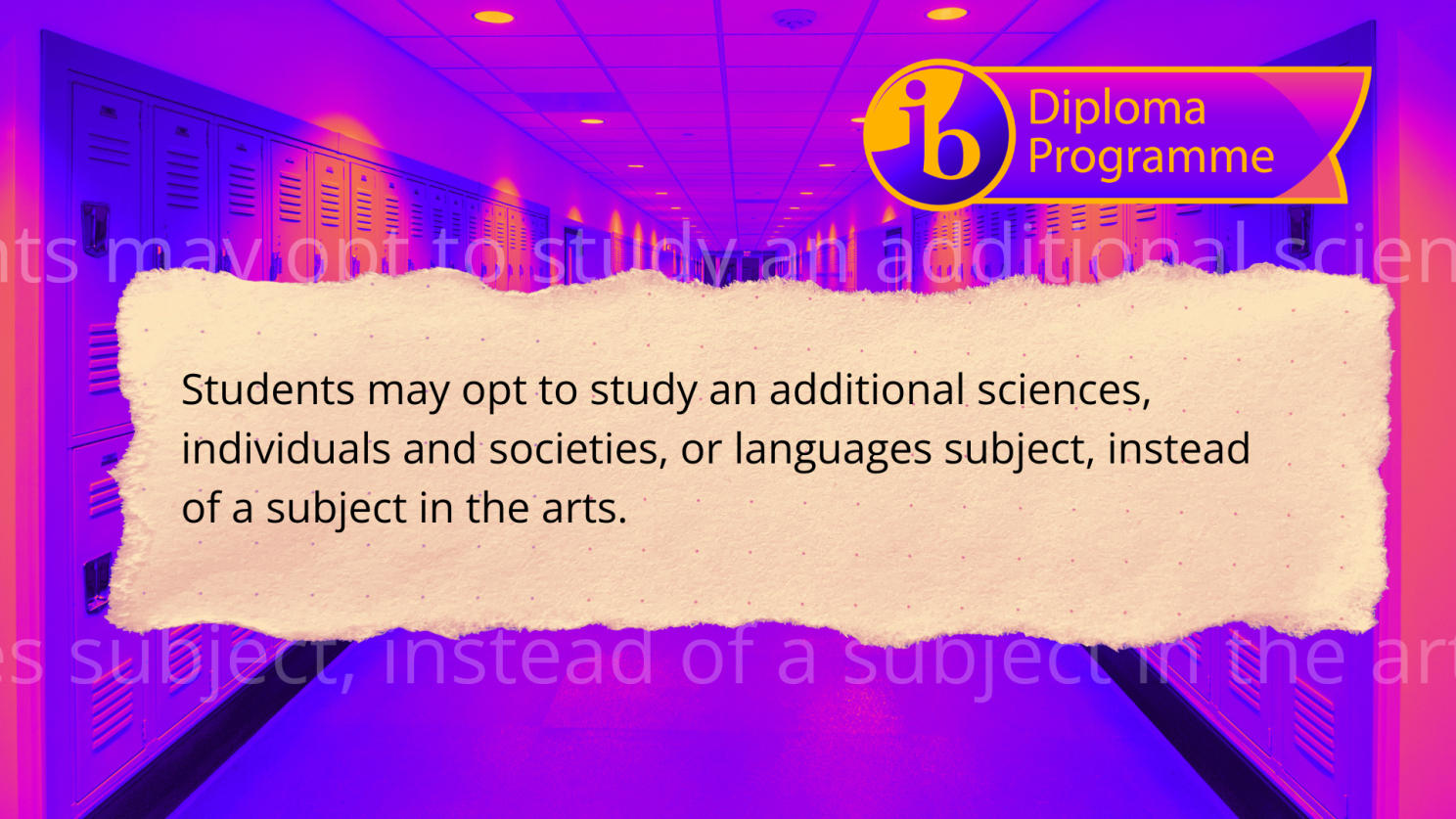
These conversations have added important nuance. There are genuine university prerequisites, reasonable concerns about workload and assessment, and questions for arts educators about how clearly we communicate the academic substance of our subjects. All of that is true. It is also true that the structure of the DP creates a significant barrier: Group 6 is the subject area students can routinely replace with an additional subject from elsewhere in the programme. That gives the arts a structurally different status before any school, counsellor, parent or student enters the conversation, and I do not think we should pretend otherwise.
The structural conversation is important, but it is a long one
The optional position of Group 6 is not a new concern. It has been recognised in research commissioned by the IB itself, including recommendations that the optionality of the arts should be reconsidered and that Group 6 should sit on a more equal footing with other subject groups. That conversation continues as the DP evolves, but a programme review built around greater flexibility may ultimately be more likely to extend optionality elsewhere than to remove it from Group 6.
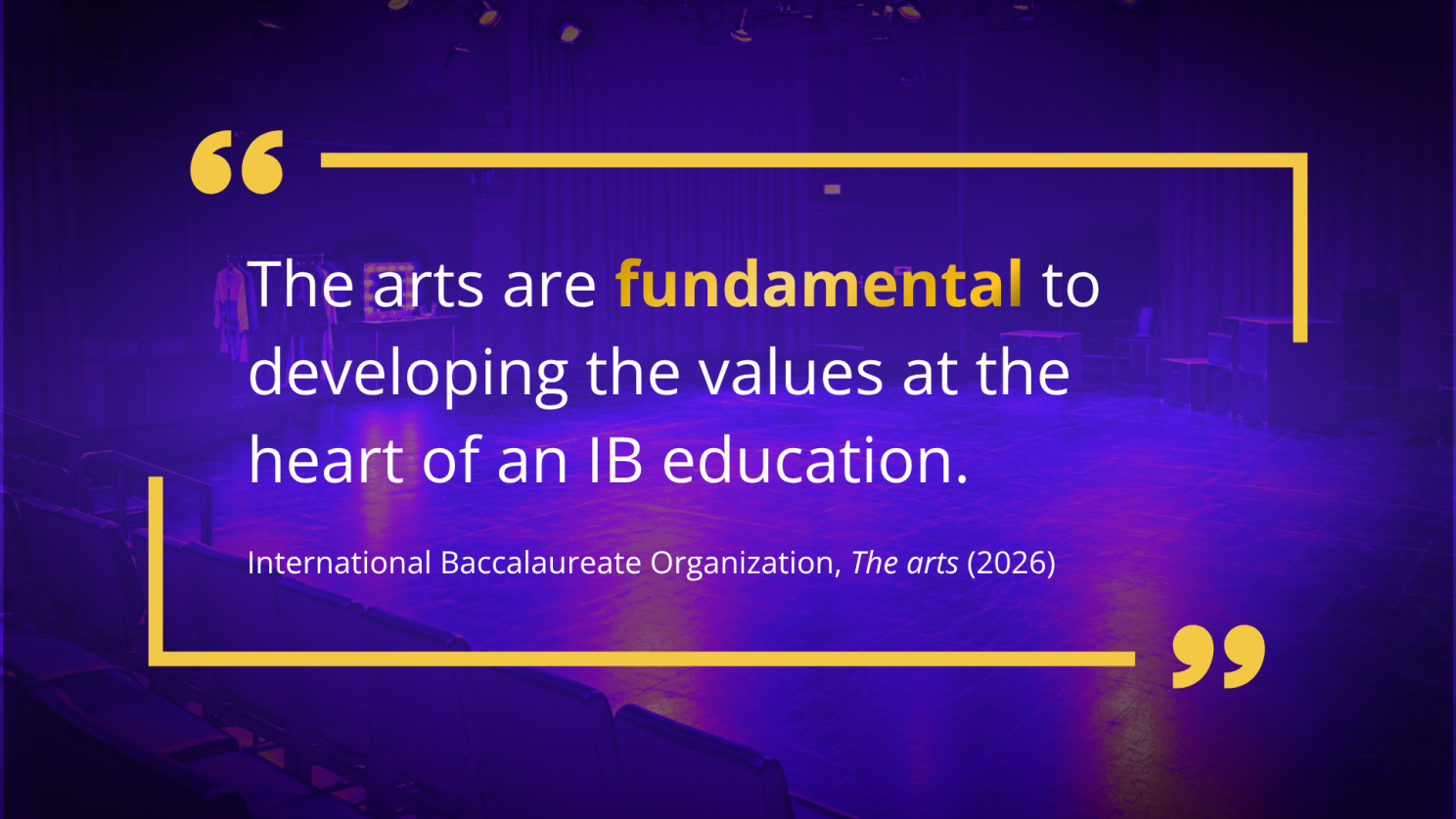
At the same time, the IB has strengthened the language it uses publicly about arts education. Its current guidance states that “The arts are fundamental to developing the values at the heart of an IB education.” That matters. Yet language and structure are not the same thing, and students are making choices within the structure that exists today.
Having spent more than a decade working on arts curriculum from inside the IB, I know how slowly structural change of this kind happens. We should continue to make the case for the position of the arts within the future DP, but students are choosing subjects now. So the more immediate question is: within the structure we have, what can schools change?

The choice starts long before the student makes it
We tend to talk about DP subject selection as though students arrive with six empty boxes and fill them according to their interests and future plans. In reality, by the time students reach the subject-selection form, their choices have already been shaped by years of experience. They know which subjects their school celebrates, which courses reliably run, which combinations fit the timetable, and what parents, peers, teachers and counsellors consider to be a sensible academic choice.
Some constraints are entirely genuine, and advocating for the arts should never mean giving students inaccurate advice. But genuine constraints are only part of the decision environment. The formal choice happens at one moment; the conditions shaping it have been developing for years.
You can hear those conditions in the language students encounter. A student may be told that two sciences will “keep their options open”, that they can “always continue theatre outside school”, or that an arts subject is a good choice “if they are really passionate about it”. None of those statements is necessarily wrong. The important question is whether they reflect that particular student’s aspirations and current university requirements, and whether other subjects are being asked to clear the same threshold.
Small differences in language can make a large difference to how a choice feels. An arts subject can remain technically available while gradually becoming the option that feels less secure, less strategic or more difficult to justify. That is how permission can narrow, one entirely well-meaning sentence at a time.
Where schools have real influence
One of the most hopeful findings from my research was that stronger arts participation did not depend on one extraordinary intervention. It came from relatively ordinary things being done consistently across the student experience.
Arts teachers made the intellectual substance of their subjects visible and spoke individually with prospective students. Schools created genuine taster experiences and used current students, alumni, performances and exhibitions to show what studying the arts actually involves. Counsellors examined the evidence behind their advice, coordinators reconsidered how Group 6 was presented in options materials, and leaders looked again at timetables that unintentionally restricted particular combinations.
None of this removes the structural optionality of Group 6. But it changes how that optionality is experienced. It can determine whether the arts feel like an academically serious and genuinely available choice, or the subject a student needs a particularly good reason to take.
That is where schools have considerable influence.
Start by being curious
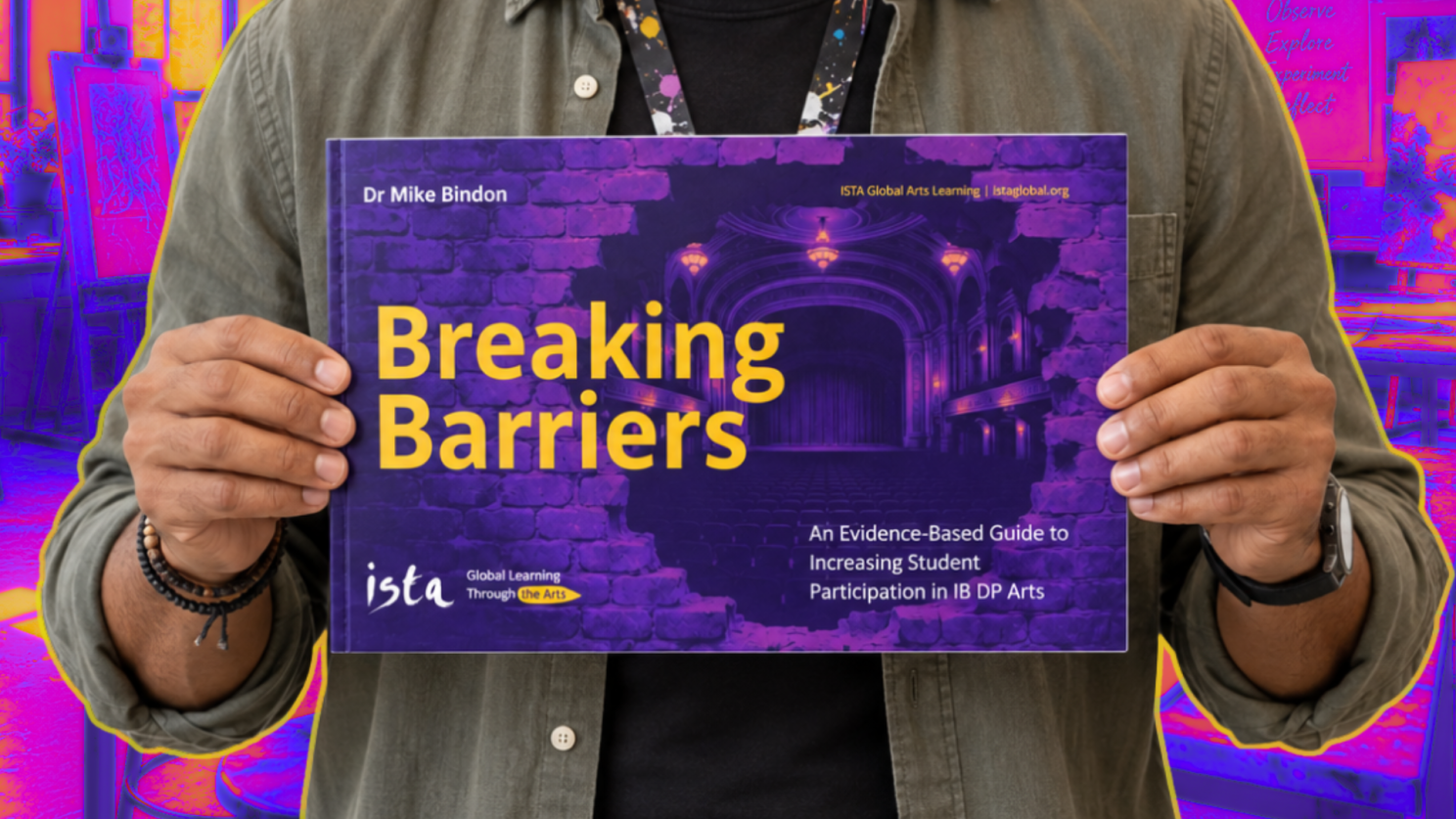
Breaking Barriers is a free, evidence-based guide to increasing participation in IB DP arts, developed from my doctoral research across IB World Schools on four continents. It identifies the barriers influencing student choice and 36 practical strategies schools can use to address them. I have made it freely available through ISTA as part of our mission to strengthen arts education globally.
It is an invitation to become curious about the conditions shaping arts participation in your own school. Who chooses the arts, and who considers them but chooses something else? What are students hearing from teachers, counsellors and families? Which university requirements are informing that advice? What does your options booklet communicate about which choices are expected, possible or exceptional? And, as arts educators, are we making the intellectual substance of our courses visible and listening carefully to what makes students hesitate?
The structural position of Group 6 matters, and we should continue to challenge it. But students are choosing their subjects now, and schools already shape the conditions in which those choices are made.
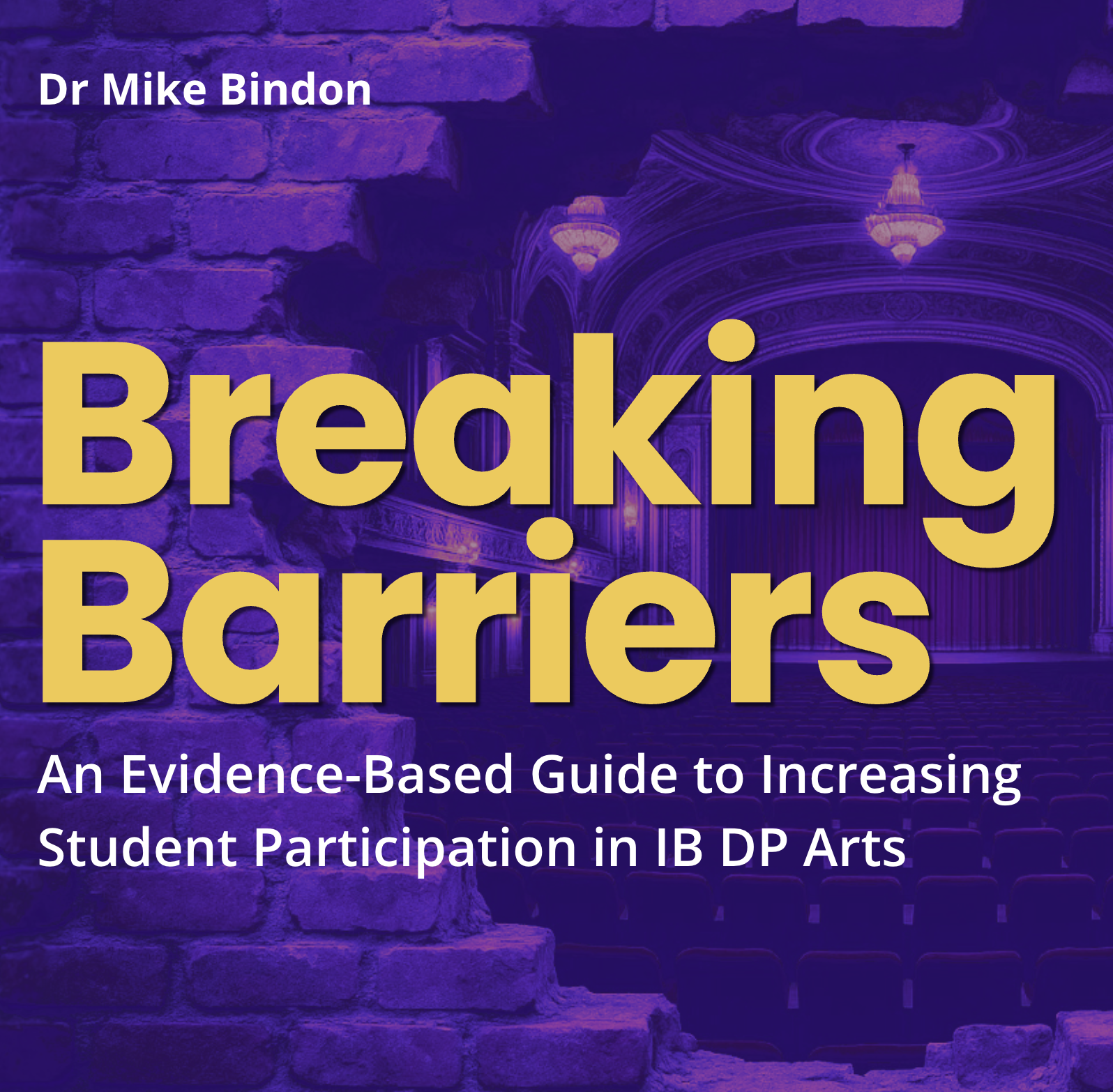
Download Breaking Barriers and start the conversation in your school.

Mike Bindon is ISTA’s Executive Director, a specialist in international arts education and an active filmmaker and artist. His career has focused on developing creative strategies that expand young people’s access to high-quality arts experiences.
Before joining ISTA, Mike spent a decade leading the global development of the International Baccalaureate’s Diploma Programme theatre, film and visual arts courses. He holds a Master’s degree in Performing Arts Education and a Doctorate in International Education. His doctoral research explored how IB World Schools can overcome the barriers that prevent students from choosing Diploma Programme arts courses.
At ISTA, Mike leads the organisation’s strategic development and champions the role of the arts in creating globally minded, collaborative and culturally literate young people.
