


How making films becomes the path to making films
| By Elliot & Zander Weaver |
In true cinematic style, we start this story at the end, writing this article several months into post-production on Arctic Skies - our first “proper” industry-financed feature film. And it feels surreal but somehow inevitable to think that this journey began more than three decades ago, with two brothers pointing a home movie camera at their toys.
Today, we’re directing a professionally produced UFO sci-fi thriller about a cargo plane crew’s experience of the extraterrestrial, set 40,000 feet above the Atlantic Ocean. We’re leading an experienced cast and crew in final preparations on a film intending to reach audiences around the world.
But Arctic Skies didn’t begin with a script. It didn’t even begin with an idea. The truth is it began long ago in the early 1990s, with the simple excitement of seeing something created come to life.
The biggest lesson we’ve learned on our 33-year journey to the big screen is that filmmaking doesn’t begin when you’re given permission to make a film. It begins when you decide to make one.
And to understand how we arrived here, we have to go back to the beginning.
The First Frame
We started making films at 5 and 3 years old, using our parents' home camera to create little stories in our shared bedroom. At that time, both our parents worked in film and TV - our dad was a film cameraman and our mom, a makeup designer. So we grew up surrounded by the demanding but oftentimes rewarding realities of being industry professionals. From day one our mom encouraged our creativity, always telling us stories and teaching us to read and draw. Poster paints and chalks and playdough filled our days. Our dad was constantly working with his camera on his shoulder and loading equipment in and out of the house - stories, creativity and production were our everyday lives.
It’s obvious to see how fortunate we were to grow up around filmmaking and the exposure and references that built in us as children. If our dad had been a carpenter who spent his days at a workbench, perhaps we’d have wanted to mimic him and build furniture with him. Instead, we saw cameras, crews and the creative process, and that’s what became normal to us.
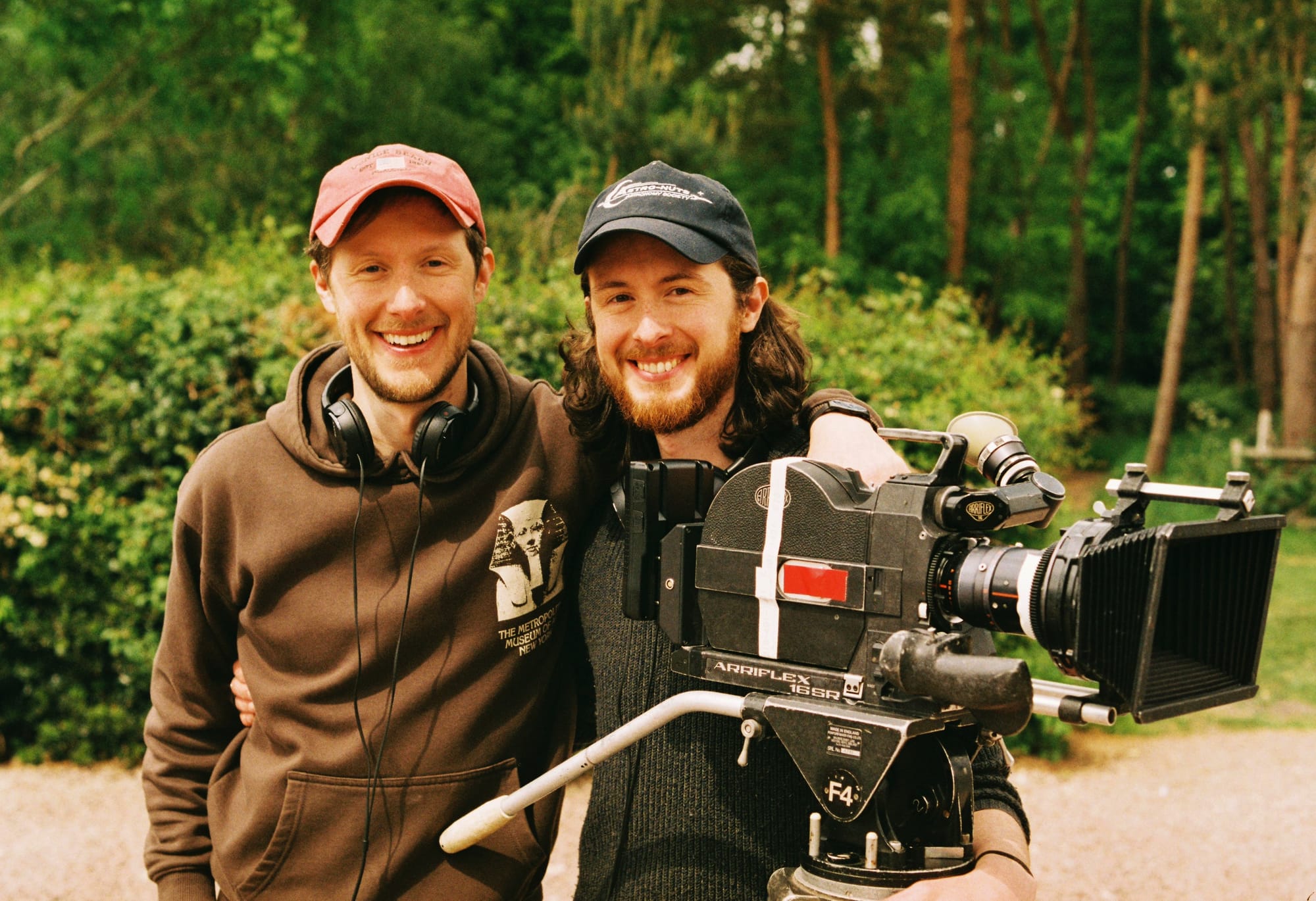
But our passion wasn't created simply because filmmaking was around us - many of our parents’ colleagues had children who wanted nothing to do with the industry - our passion was born when a single seed was planted in us.
It sprouted the first moment we saw our own footage edited together into something that felt real. ‘When the Toys Came Alive’ was our very first film - a 50-second tale where toys and teddy bears come to life while two brothers sleep in their bunk beds. We shot a toy moving in one shot and then separately captured a shot of us pretending to sleep. When we saw these two shots edited together, we experienced the illusion of these two things were happening simultaneously… even though they weren’t! It was our first glimpse behind the smoke and mirrors of filmmaking, and that we could create a reality that never actually happened. And that feeling - that magic of storytelling through images - has never left us. It took root in our souls and like a fast-spreading weed, invaded our entire garden and covered our house.
From then on, whenever we had the opportunity, we made films.
Family birthdays became excuses to pick up the camera. Holidays became travel films. School projects became documentaries. We convinced school bands to let us make music videos and recruited friends for weekend shoots about alien visitors, mafia crime rings and mad science gone wrong. Before we understood filmmaking as a profession, we were practising it like kids playing with guitars - making mistakes, playing out of tune, but learning by making.
Learning by Making
The most valuable education we received came through making things. We learned to edit by connecting one VCR to another and cutting tape-to-tape before moving into digital editing on computers. We studied lenses, lighting and cinematography. We sat with notepads transcribing dialogue from our favourite films on TV. We watched behind-the-scenes documentaries and DVD commentaries, absorbing every piece of information we could find. And by our early teens, we’d decided we wanted to become professional film directors.
But wanting to make films and knowing how to make them are two very different things.
On leaving school aged 18, we chose not to follow a traditional university route. Instead, we started at the bottom, emailing local production companies asking for any opportunity to get on set.
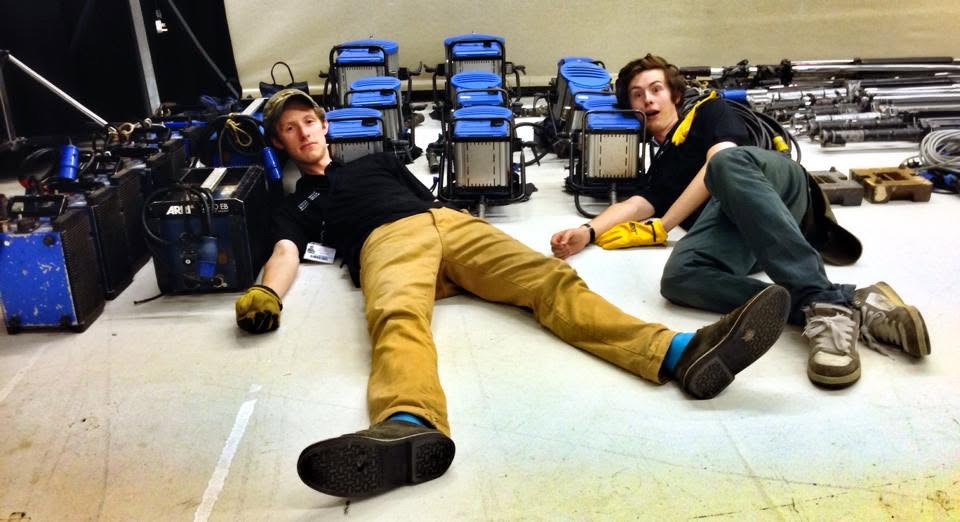
Our first jobs were far from glamorous. The first pieces of equipment we were trusted with were the kettle and the broom, making teas and sweeping floors, and carrying anything that needed carrying. But those early experiences taught us something important: filmmaking is a craft before it’s a title.
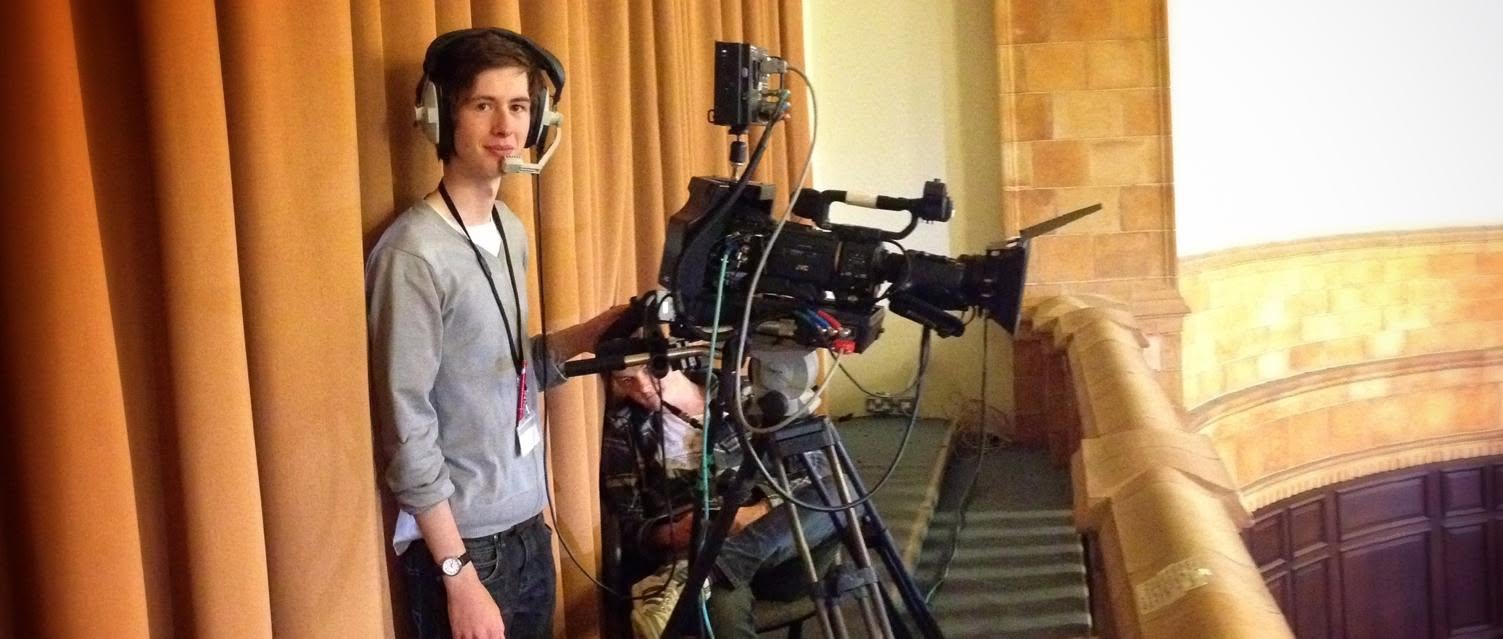
Slowly, responsibilities grew. First we were trusted to mark up clapperboards and organise equipment. Then we were assisting camera departments and eventually working behind the camera as trainees.
During our early twenties we shot thousands of interviews, edited hundreds of videos for local bands and small businesses, and gained professional experience across documentaries, commercials and television. These years were never about the credits - they were about observing, acquiring and sharpening the practical skills we’d need to turn ambitious ideas into reality.
Making the Impossible
Eventually, we reached the point where we’d spent years helping other people make films. The question in our hearts was becoming unavoidable: could we make one ourselves?
Outside our professional work, we’d begun developing narrative screenplays and creating short films, all building towards our biggest challenge: making our own full-length feature film.
That film became Cosmos.
A self-funded, micro-budget science fiction film, Cosmos was made over five years for just £5,000, with a three-person core crew and equipment we already owned. It was the opposite of the glamorous process you might imagine a film director lives. Making a feature film at this lowest scale means constant problem-solving and patience. It means a level of self-sacrifice, self-commitment and self-belief that might feel hard to believe you possess - even retrospectively, after the film is finished. But Cosmos was also incredibly liberating. Without permission or significant resources, we had to focus on what we could control.
If we didn't have a resource, we didn't write it into the script. If we couldn’t get access to a location, it wasn’t entertained as a possibility. We had a car, computers and cables, and so created a story set in the back of an astronomy observation vehicle and three astronomers watching the night skies. We transformed a friend's garage into a film studio. We shot night scenes with a handful of battery lights and a smoke machine. Our camera’s matte box was made from cardboard. Every limitation had to be reframed as a challenge - or face failure.
What Cosmos taught us is that “success” (however you define it) - or maybe a better word would be “accomplishment” - is 20% about the "how" and 80% about the "why". Technical challenges can be solved along the way, but the reason you’re making something is what carries you through to the finish line.
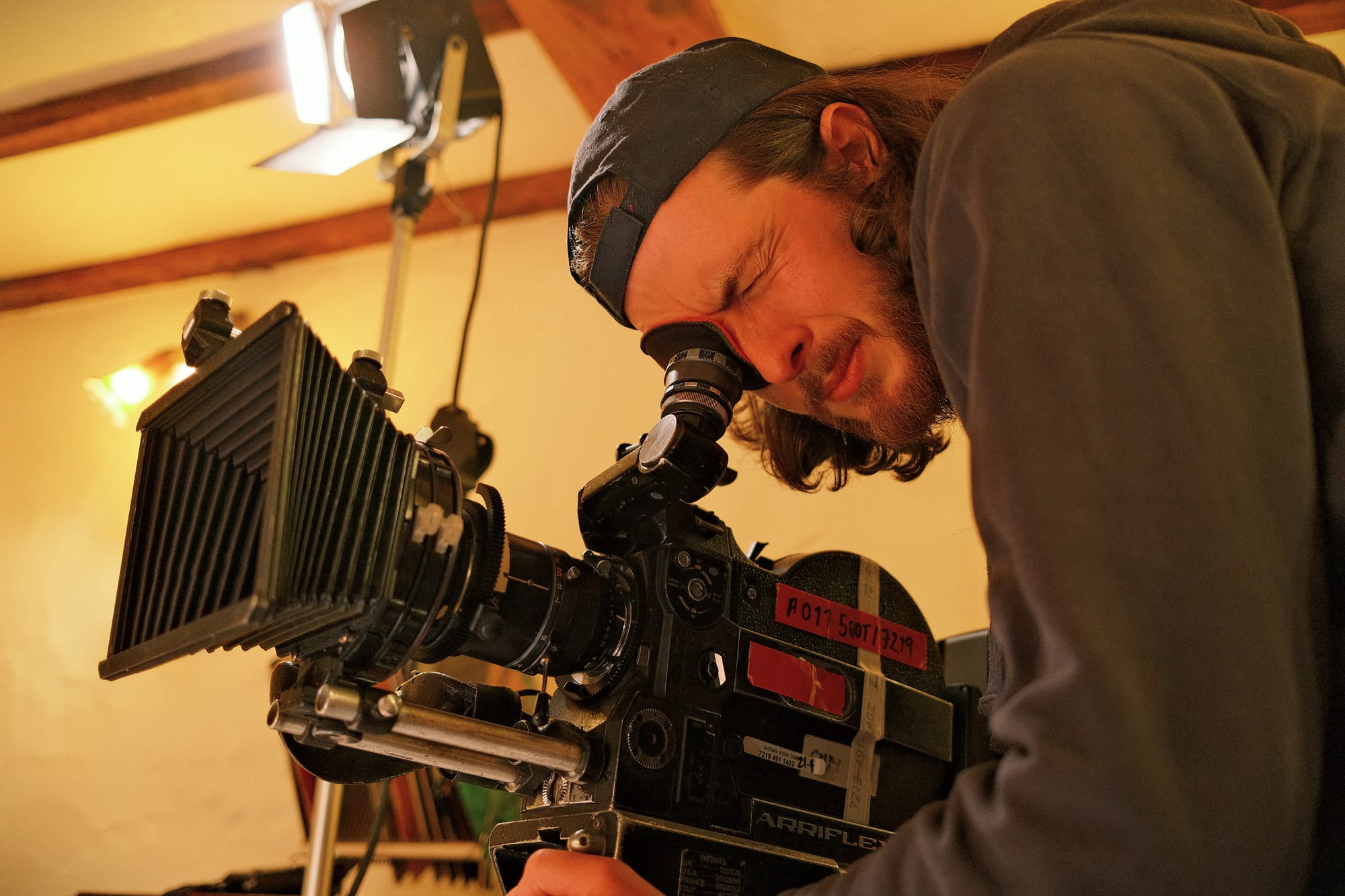
The Bridge
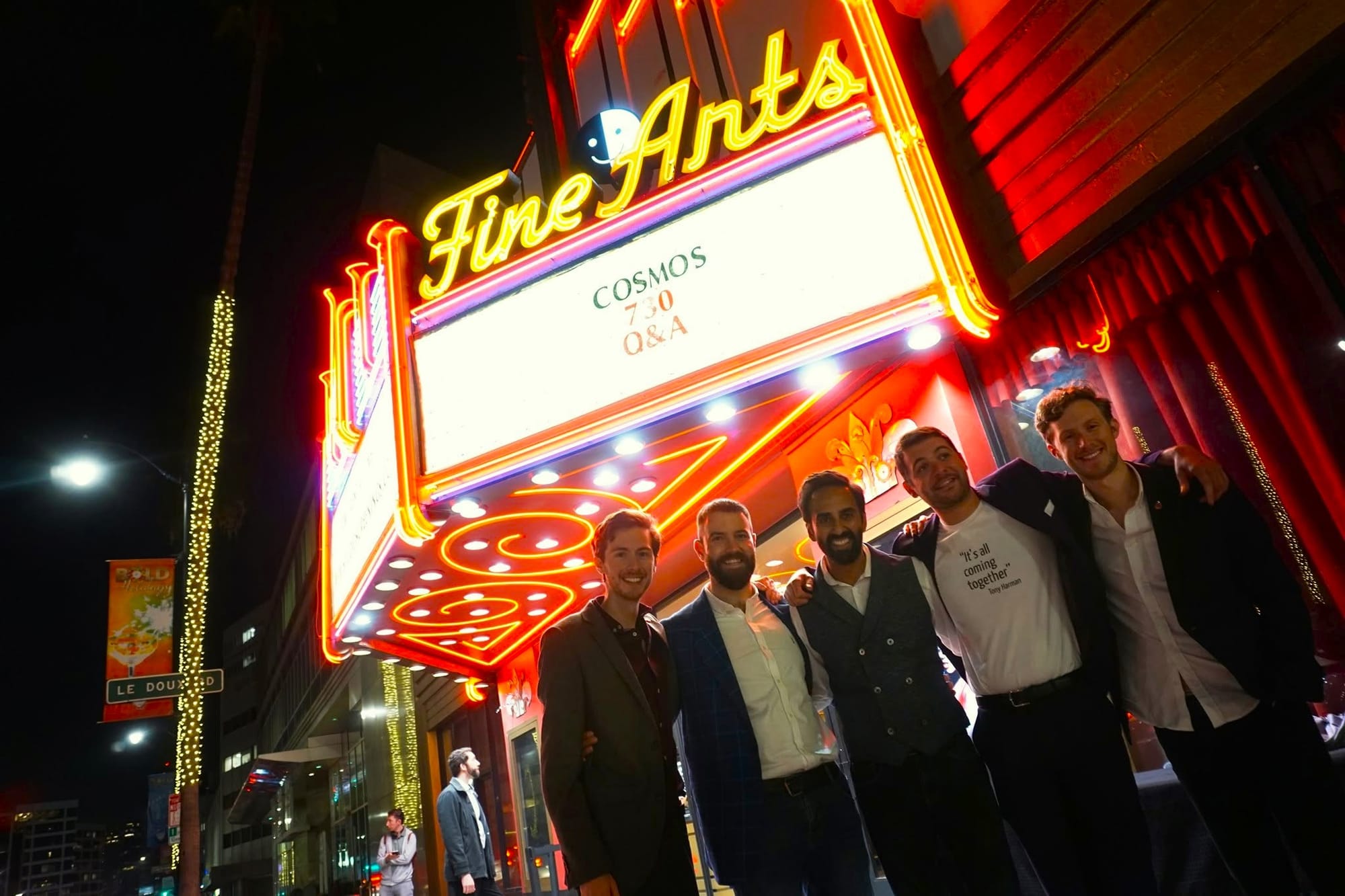
Making Cosmos proved to ourselves and importantly, to the film industry, that we could take an idea from script to screen, and demonstrated that we could lead a production, work with actors, solve problems and complete a feature-length story. Cosmos went on to find an international audience, premiere in West Hollywood, receive theatrical distribution across the US, and reach viewers around the world through streamers. And it opened doors.
Through its success, we secured representation as writer-directors and developed numerous feature projects, including our currently-in-production, Arctic Skies. This industry-financed film grew directly from our independent journey - from the very first time we both picked up a home movie camera and looked down the viewfinder, Arctic Skies was flying over the horizon towards us.
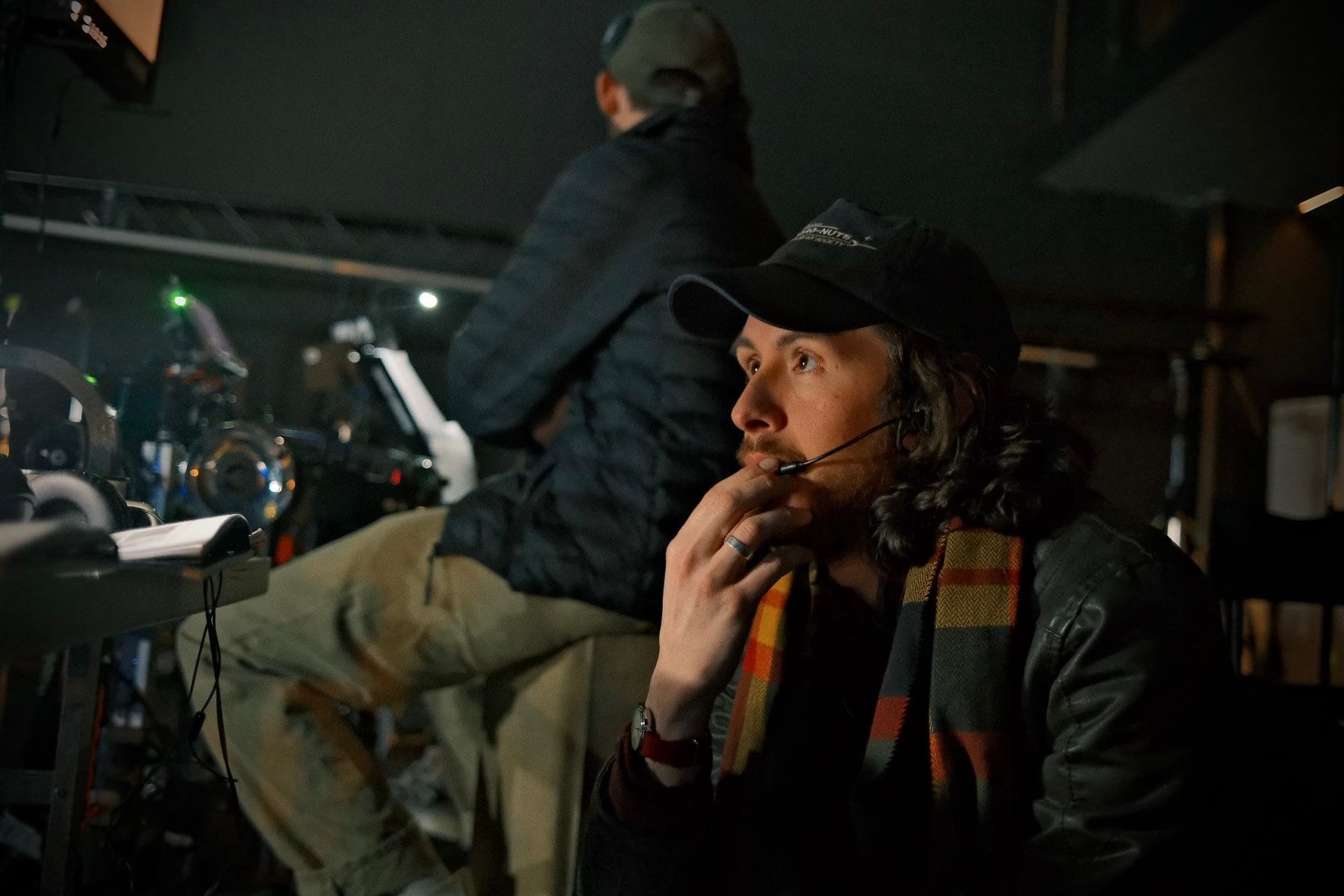
Don't Wait for Permission
Looking back, the common thread through every stage of our journey is simple: we kept making things.
The home videos sparked our curiosity. The school films gave us confidence. The early jobs taught us the craft. Documentaries built our voice for story. Cosmos opened a door. Each project became the foundation for the next.
The biggest barrier for many aspiring filmmakers, and creatives in general, is not always access to equipment, funding or permission. It’s nearly never a lack of talent or passion. More often than not, it’s waiting for the perfect moment.
As filmmakers forever in love with the classic Hollywood ending, we can confirm something you already know is true - life is not a movie - no matter how much we wish it was - and perfect moments rarely arrive when we want them to.
Start with what you have. Make what you can make, now. Learn from it. Finish it. Then make the next one.
Cosmos taught us that a film is not a destination. A film won’t complete you. If it did, you’d only have to make one and then you’d be complete. But artists are compelled to create for other reasons. They have something to share with the world, some light to bring into the darkness. And for the artist, there is no rest from this calling.
A filmmaker is not someone waiting to be given the opportunity to create. A filmmaker is someone who creates - and through that process, earns the opportunity to create again. Maybe something bigger. Maybe not. But something new.
Thirty-three years after picking up our first camera, we’re still doing the same thing we did together as boys in our bedroom: trying to capture a little bit of that original magic on-screen. And we’ll always keep trying.
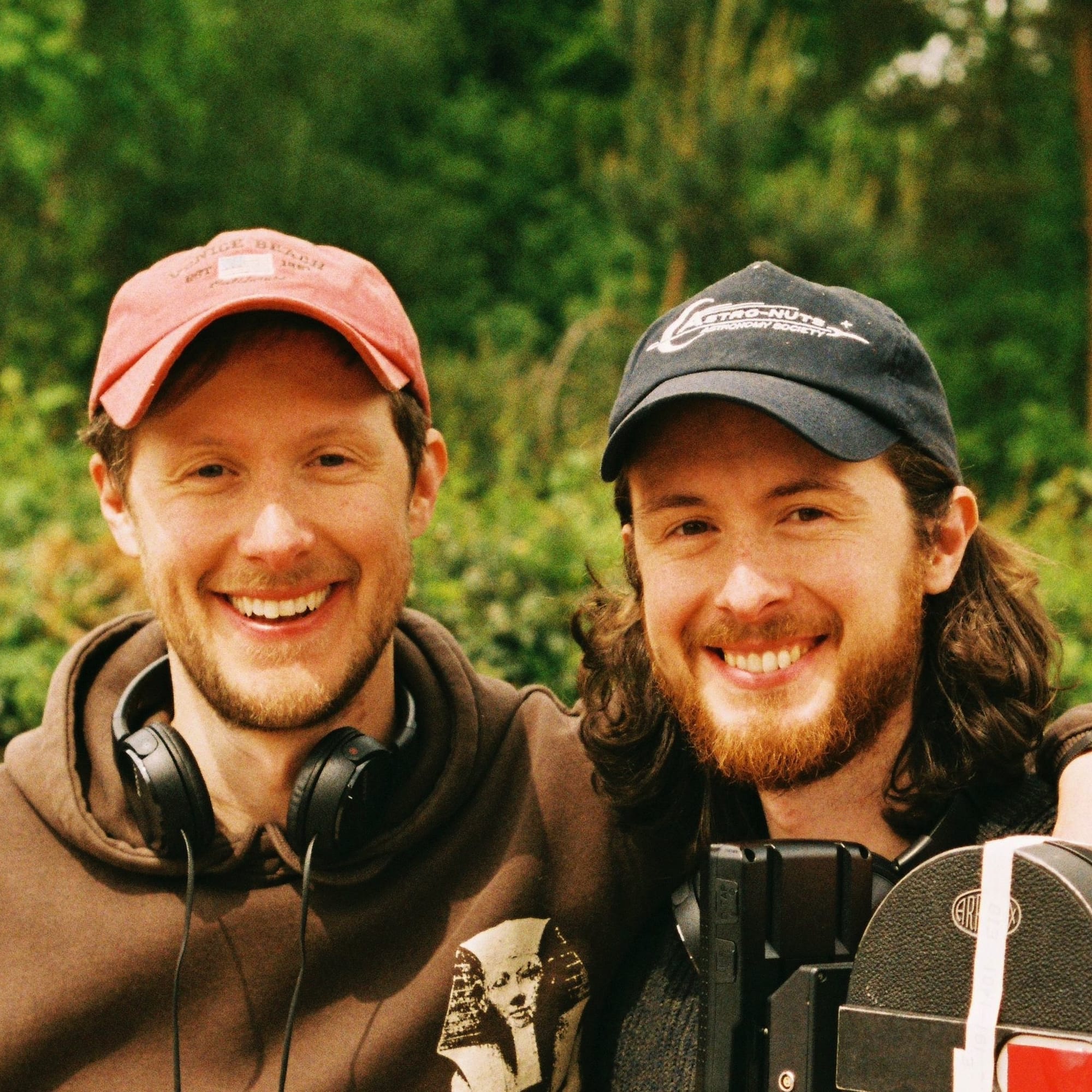
Elliot and Zander Weaver are award-nominated writer-director-producers and founders of Elliander Pictures. Filmmaking since childhood, the brothers have spent over three decades developing their craft across documentary, commercial and narrative filmmaking, with credits spanning global broadcasters, brands and streamers. Their debut feature, Cosmos (2019), became a touchstone for independent filmmakers worldwide following its US theatrical release and international distribution. They are now developing ambitious science-fiction feature films, including Arctic Skies, scheduled for release in 2027.


