


| ISTA in collaboration with Ben Vardy |
A new season of SCENE is beginning, and we’re delighted to introduce Ben Vardy as our Guest Editor.
Ben has been involved with ISTA since 2015. You may already know him from one of our events, where you might have met him as a Rep, Artistic Director, Creative Lead or Student Ensemble Leader. You may also recognise his name from last year’s festival stories, which he helped shape and develop for the festival season.
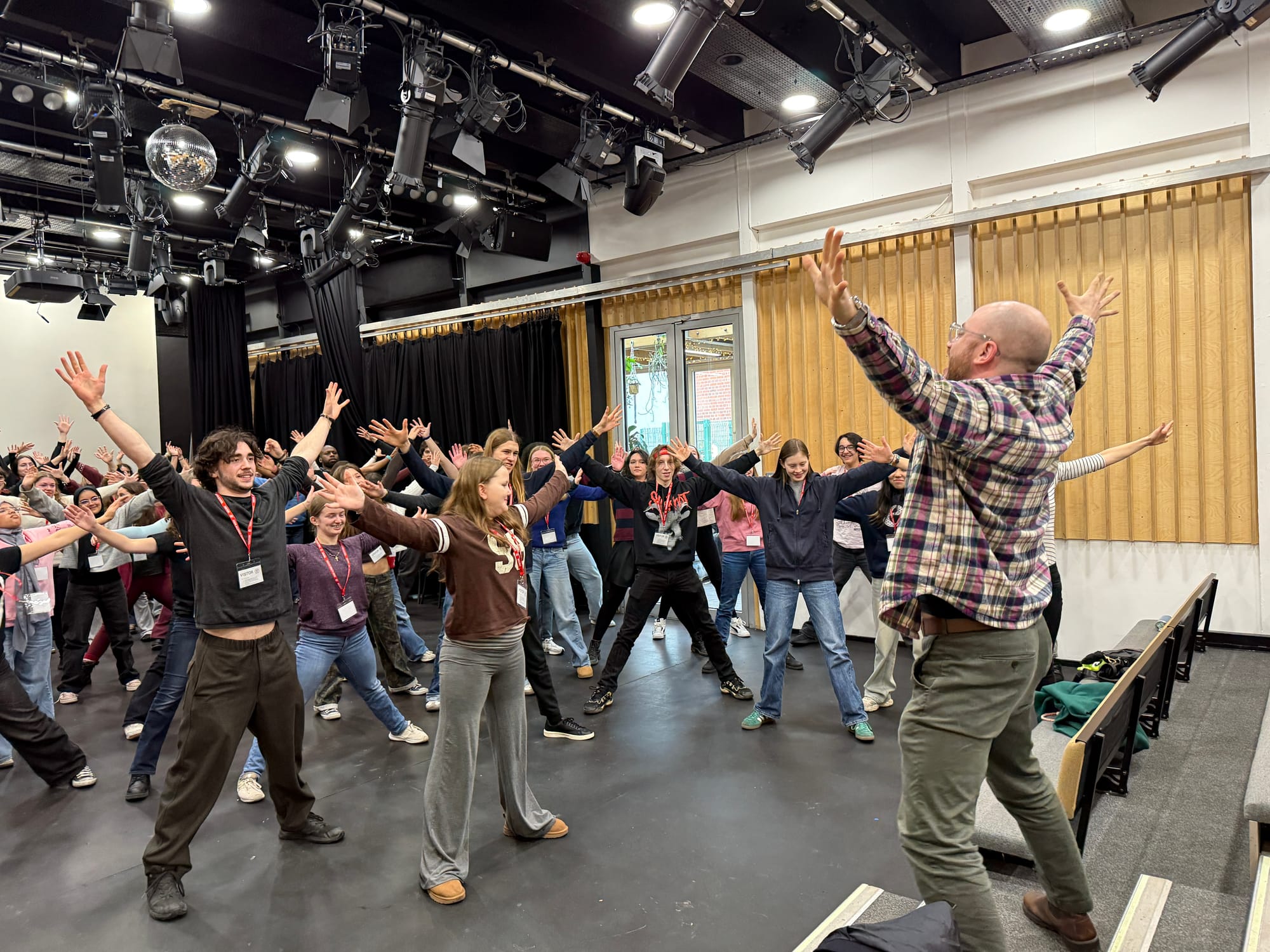
For those meeting him for the first time, Ben is a theatre maker, performer, workshop facilitator and founding member of The Wardrobe Ensemble. The company’s work has toured internationally and appeared at the National Theatre and in London’s West End.
Ben also brings over 15 years of experience facilitating workshops and professional development with organisations including the Old Vic, Shakespeare Schools Festival and Action for Conservation.
Over the years Ben has written for SCENE several times, but this is his first time in helping to shape the publication as Guest Editor. We caught up with him to talk about what he has discovered so far, the ideas connecting the articles he has commissioned and what readers can look forward to reading about this season.
Have you edited or curated something like this before, or is this your first editorial role?
This is my first time in the editor’s seat! I’ve written several articles for SCENE and various other publications over the years, but I’m very grateful for the opportunity to commission and showcase this year’s writers and articles.
Has editing other people’s work changed how you think about your own writing?
Yes, it has. I’ve learned that there is no single correct tone, style or way of writing an article. Perhaps there is for some specific publications.
But when it comes to the enormously diverse international readership and authorship of SCENE, there is real strength and joy in the smorgasbord of experiences, styles and approaches to writing.
It has taught me that it’s far better to embrace my own voice fully than to attempt to recreate what I think might be “the right voice” for an article.
What’s one thing that shaped this season that readers won’t see on the page?
The first few months of articles are all about artists who have learned to trust and follow their gut instincts.
For these artists, creating something, whether a film, a piece of theatre or a dance, is not about waiting for someone else to give them permission. It’s about sensing an opportunity. It’s about making a creative leap. It’s about leaving your comfort zone way, way behind and learning the skills of your craft along the way.
Taken together, these articles explore how to be a courageous artist and embrace the unknown.
Without giving too much away, what can readers look forward to?
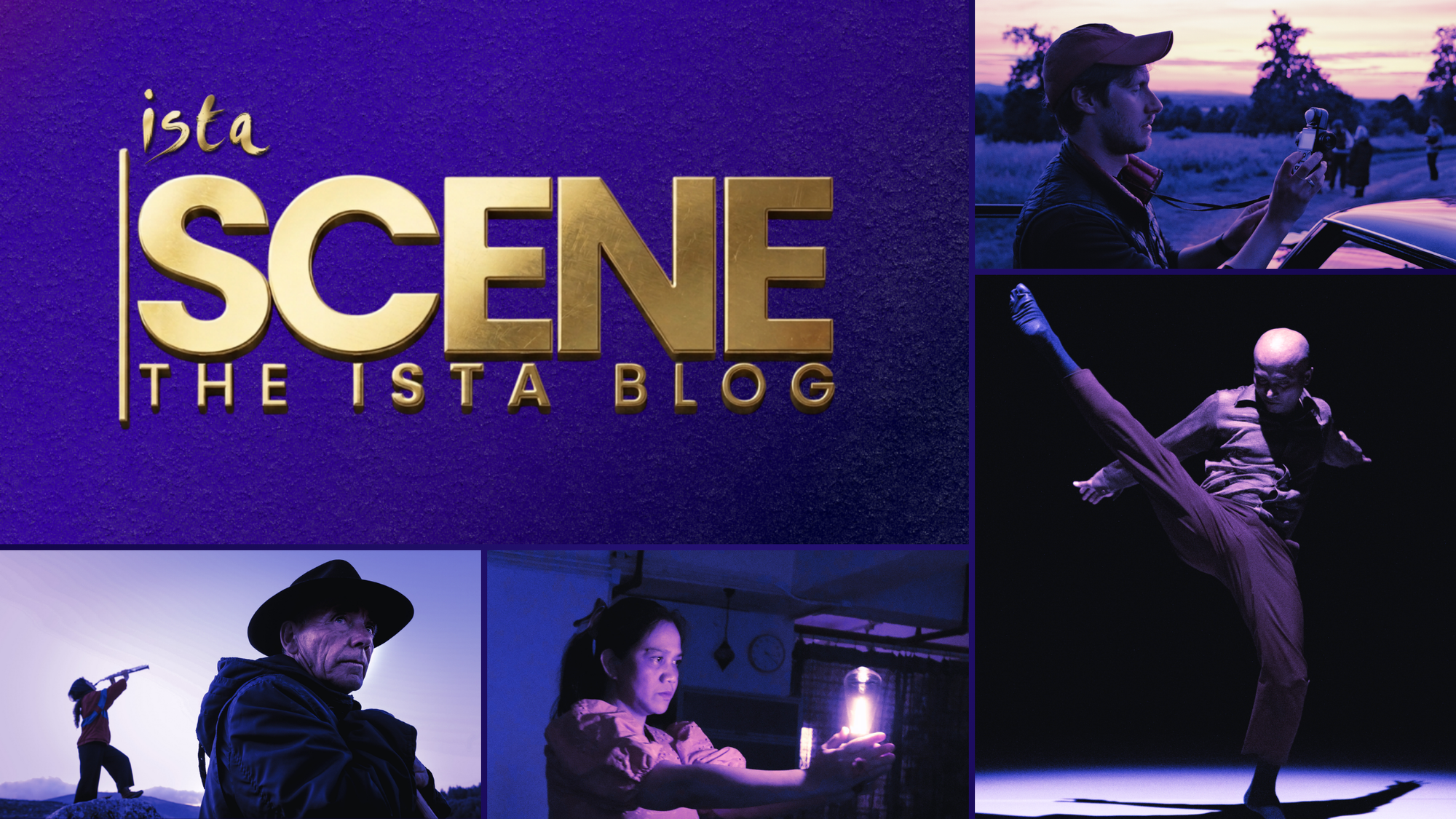
Over the next few months we will be sharing articles from artists in Hong Kong, Portugal, India and the UK about filmmaking, poetry, theatre and dance.
There are shepherds, lizards and UFOs.
The articles are sparky, heartfelt, thoughtful and energising, and I can’t wait for you all to read them!
What’s your hope for SCENE now that it’s monthly?
I hope this new monthly format can facilitate a more regular dialogue with our readership.
I’d love to hear thoughts and feedback from our readers so that this new format can be responsive to the needs of the entire SCENE community.
And if anyone feels inspired to offer an article of their own, we still have some space for next year’s articles—so please do get in touch!
A new article will be published on SCENE each month. We hope you’ll join Ben and our contributors as they follow their instincts, take creative leaps and explore what can happen when artists stop waiting for permission.


