


| By Mike Bindon, ISTA Executive Director |
Twenty years ago, one of the strongest arguments against offering Film in schools was practical. Cameras were expensive, editing required specialist computers and software, and schools needed equipment, edit suites and technical expertise. Film was exciting, but making it genuinely accessible to students required considerable investment.
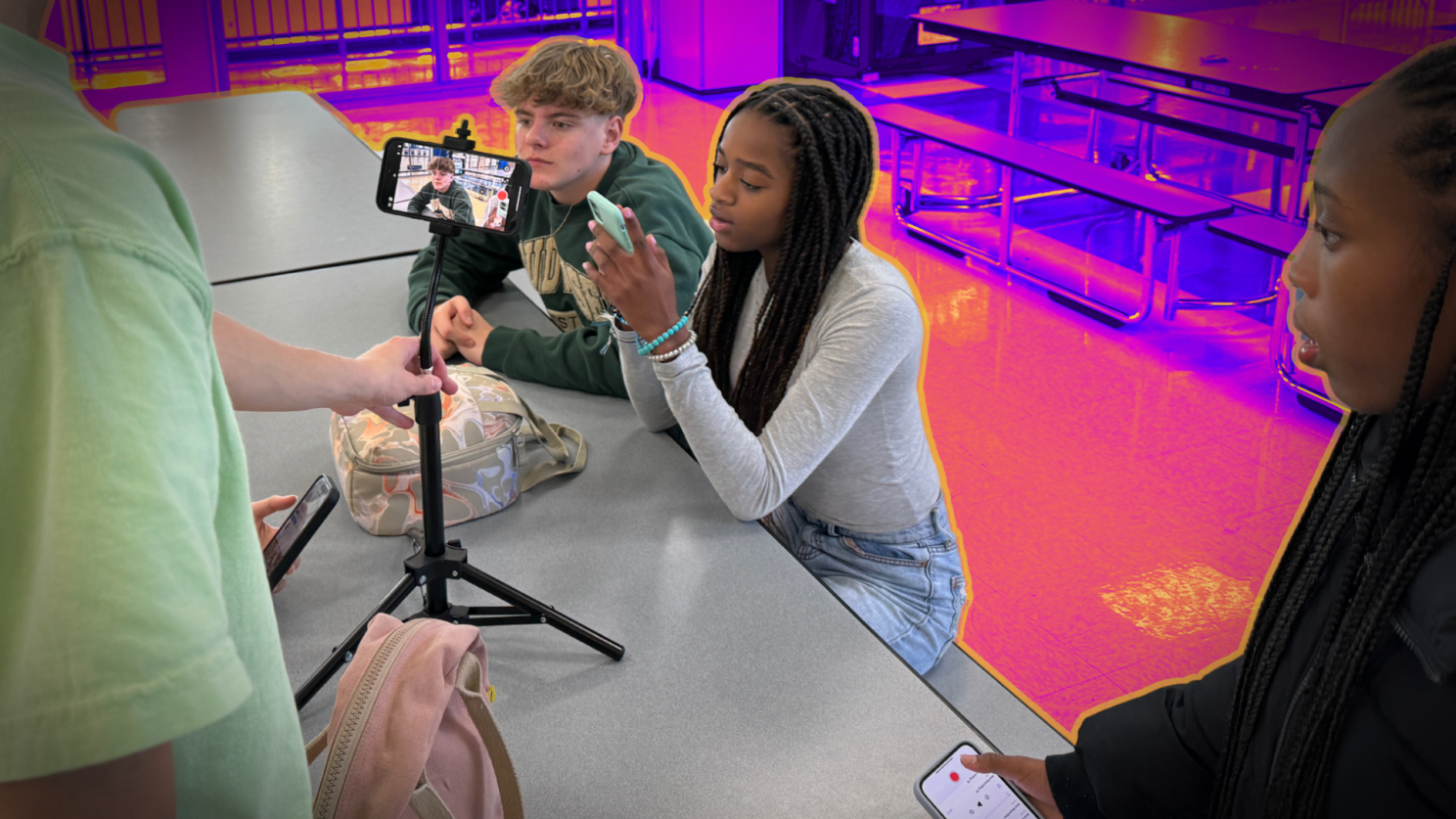
Today, that landscape has changed almost beyond recognition. A young person can carry a high-quality camera, sound recorder and editing suite in their pocket. We have arrived at an extraordinary moment of access to filmmaking, at exactly the same time as we are becoming increasingly concerned about young people’s relationship with the moving image.
Schools around the world are restricting or banning phones. TikTok, YouTube and algorithmic feeds compete relentlessly for young people’s attention, while generative AI is changing what it means to create an image, who we consider to be an author, and even whether we can trust what we are seeing.
Meanwhile, the international film industry itself is asking profound questions about its future.
Earlier this month in France, President Emmanuel Macron and South Korean President Lee Jae Myung brought together filmmakers, governments and industry leaders for the Lumière Summit to consider the future of cinema and the moving-image industry. France and South Korea have each committed €500 million over five years to support the sector, while the wider conversation has focused on AI, social media, changing audiences and how we protect and develop cinema for the future.
Importantly, part of that conversation is about young people.
I think that makes this both a moment of crisis and a remarkable moment of opportunity for Film education.
Taking phones out of corridors and classrooms because they have become a distraction is completely understandable. But restricting their everyday use does not mean we should ignore the extraordinary creative technology young people now have at their fingertips. Perhaps it makes teaching them to use that technology purposefully, critically and creatively even more important.
Because the problem is no longer access to the moving image. The problem is learning how to navigate a world saturated by it.
Young people have never encountered more moving images, and they have never had greater access to the tools to create them. Yet they have perhaps never needed more help understanding who made the images they see, why they were made, how they have been constructed, what they are asking us to feel or believe, and whether what we are looking at is even real.
Film education also brings together so many of the competencies we say we want young people to develop in order to flourish. Creativity, collaboration, critical thinking, communication, technological fluency and, increasingly, ethical judgement are not additional benefits sitting around the edges of Film. They are embedded in the process of interpreting and making it.
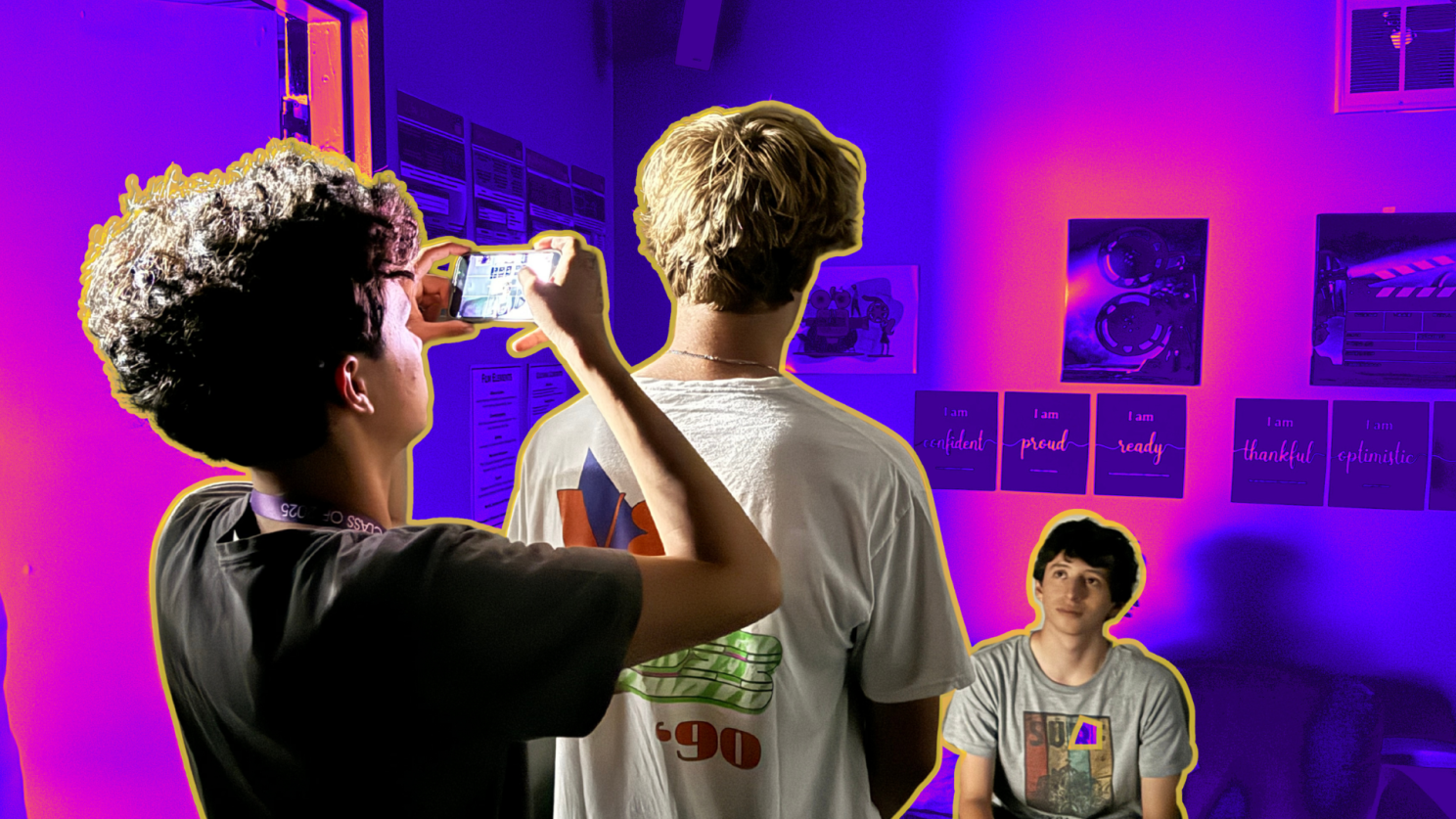
Of course, this presents school leaders with difficult choices. If we make space for Film, what gives way? Where does it sit in an already crowded curriculum? Who teaches it? How do we resource it? These are real questions, particularly when schools are making increasingly difficult decisions about curriculum, staffing and budgets.
But the argument that Film is simply too technologically expensive to offer is disappearing, while the argument for moving-image literacy is becoming increasingly difficult to ignore. So perhaps the question for schools is no longer simply, can we afford to offer Film? Perhaps we should be asking, can we really afford not to offer it?
Film education isn’t only about developing tomorrow’s filmmakers. It helps young people become thoughtful creators rather than passive consumers, able to question the images surrounding them, understand how stories shape us and use powerful creative technologies with purpose. At ISTA, we don’t just want to make that case. We want young people to experience it, which makes it particularly fitting that our next Film adventure takes us to France.
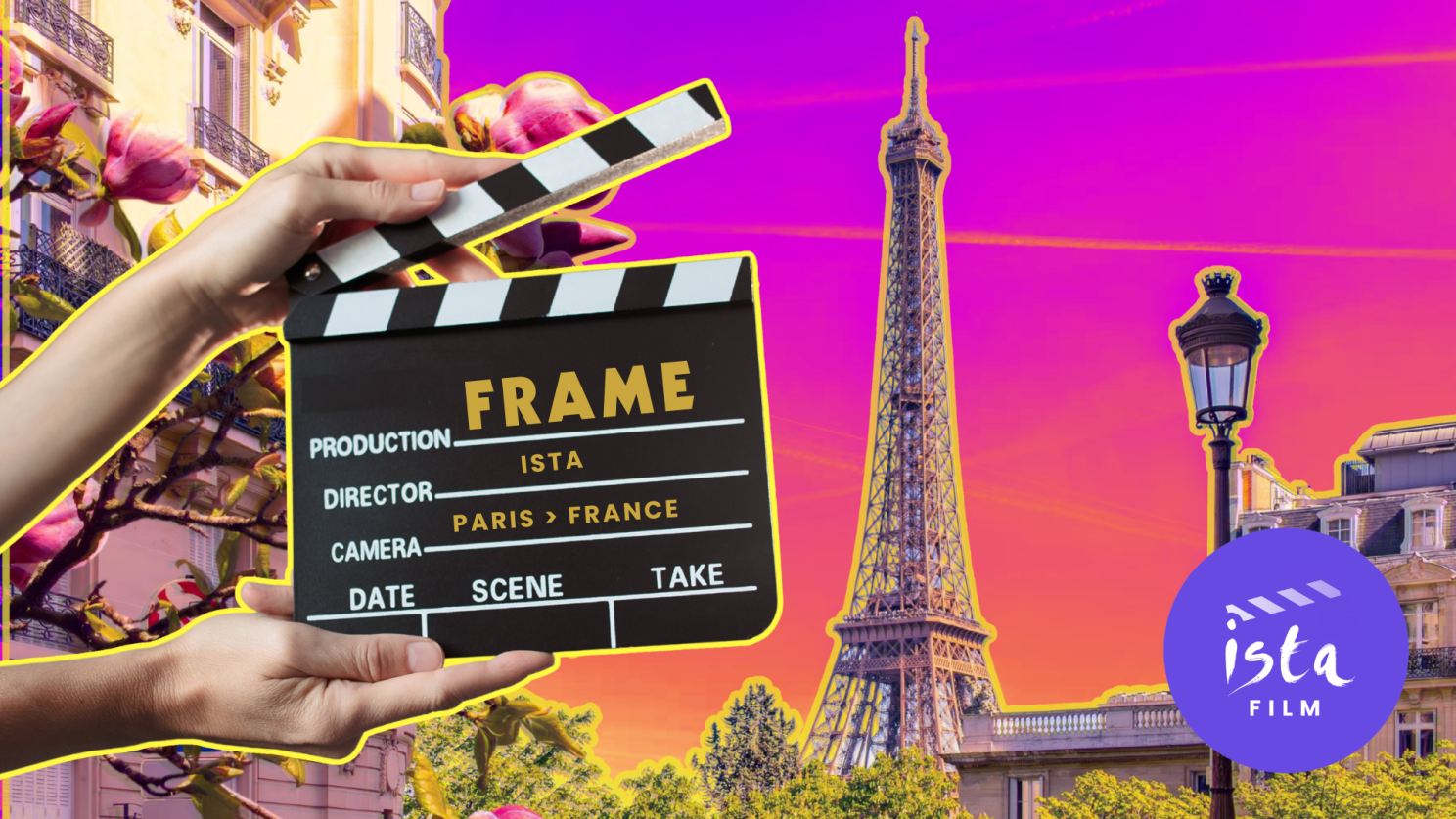
From 22 to 24 January 2027, new and aspiring IB Film students will come together for ISTA’s FRAME event at AMCA Paris, a specialist film school in the city’s 19th arrondissement. Working in cross-school production teams alongside IB Film specialists, students will develop their craft across script, camera, sound and editing, bringing these disciplines together to create original short films.
At the end of three days, their work moves beyond the endless feed and onto the cinema screen: images chosen, shaped and given meaning by them. In a world increasingly defined by the moving image, young people need more than the ability to consume it. They need the power to understand it, challenge it and create it.
Let’s put Film education where it belongs: in their hands. Join us for 🎬 Paris FRAME | 22–24 January 2027 | Ages 15–18 | Booking now open.

Mike Bindon is ISTA’s Executive Director, a specialist in international arts education and an active filmmaker and artist. His career has focused on developing creative strategies that expand young people’s access to high-quality arts experiences.
Before joining ISTA, Mike spent a decade leading the global development of the International Baccalaureate’s Diploma Programme theatre, film and visual arts courses. He holds a Master’s degree in Performing Arts Education and a Doctorate in International Education. His doctoral research explored how IB World Schools can overcome the barriers that prevent students from choosing Diploma Programme arts courses.
At ISTA, Mike leads the organisation’s strategic development and champions the role of the arts in creating globally minded, collaborative and culturally literate young people.


