

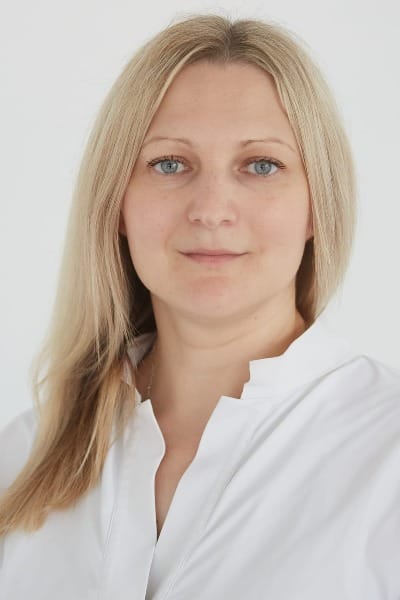
I work as a film editor, primarily working in long form documentary film, but also working across other genres as well, such as fiction films and work for galleries. I try as much as possible to vary the types of projects I work on so that I am not typecast into just one style of filmmaking. As a result I’ve worked on a wide range of subjects from NASA astronauts, injured veterans at the Invictus Games and human trafficking in Nepal.
Through my experience, editing a documentary is a different challenge to working on fiction, as there is no script for the film. That is not to say that the filmmakers don’t know what kind of story they want to tell, but it is my job, alongside the director and producers, to investigate every aspect of the narrative and find the best methodology to tell that story in the most impactful way to an audience. This often means reviewing hundreds of hours of material, all of which needs to be considered and then constructed into a concise, clear and compelling feature length film. Finding the balance between truthfully telling the story but doing it in the most engaging way possible is the tension that most documentaries are concerned with. We can never present every fact and every twist, especially in a feature doc, so we have to think very carefully about what to present that keeps an audience engaged and connected to the story whilst still remaining true to the spirit of the events. Working on stories that represent the lives of real people, rather than fictional characters, is a huge responsibility that I take very seriously, and I always keep this in mind when I work on my films.
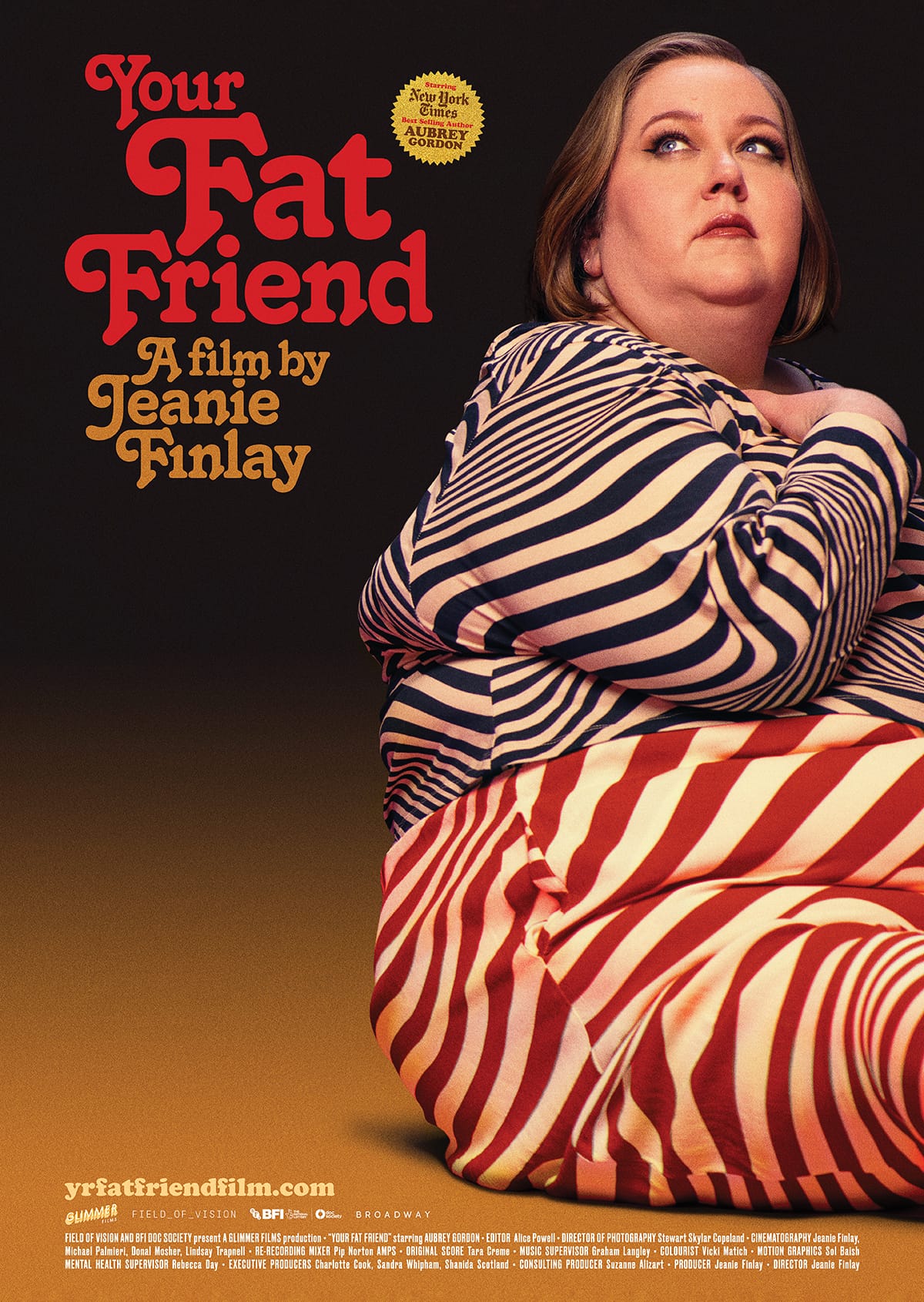
I can’t give any details about the films I am currently working on but most recently I have been involved in a series for Amazon Prime about the treble-winning Manchester United team from 1999. I was responsible for one episode, episode 3, which dealt with the Champions League final. We used interviews with the players intercut with archive material from that time. I was particularly interested in the pressure the players were under when they had to perform on the largest stage imaginable, and we tried to use as much archive material as possible so that the audience could feel close to the action. To highlight how different my projects have been, the film before that was called Your Fat Friend and is a feature documentary about Aubrey Gordon, a writer from Portland, Oregon, who writes about her experience of being a fat woman in the world. The film follows her over a five year period during which time she goes from anonymous blogger to best selling author. The film mixes the political with the personal, quite literally, as we discuss the challenges faced by fat people–such as access to healthcare and travelling on a plane–but also Aubrey’s relationships with her family, through intimate observed scenes. What I am always looking for in a film is subjects with whom we can empathise and gain greater understanding.
I initially started as a filmmaker by chance when I was 15 years old, when I had chosen to do work experience at a local community cable television company. (This was the late 90s and cable TV was quite innovative for its time.) They would only broadcast a few hours a day and made local news reports and features. I loved it so much. The people were very kind and very generous, they all showed me every aspect of what they did. It had never occurred to me that this was a job that I could pursue and it was seeing the team working creatively together that inspired me. I then joined a volunteer network at my local media arts centre, where I diligently attended every course they had going. All of this meant that by the time I had left school I had quite a range of experience working on amateur films in very junior roles. Following on from that I went to university to study Film, which was where I developed a love for editing. A year after graduation I was accepted to attend the National Film and Television school to study an MA in Film Editing.
I would not say that going to film school is a must, although for me it was a very important opportunity that helped me to gain confidence and join a network of filmmakers. I also feel that this experience broadened my skills in storytelling, critical thinking, and how to present ideas. I think that anyone interested in filmmaking can go down this route. But if it doesn’t suit them, then I would recommend getting involved in as much work as possible, even if it means giving up some free time to do it. There are a lot of technical things that can be taught but experience of actually making work counts for a lot, as the best way to learn is to get it wrong, and then understand how to be better next time. Most people start off making quite boring, disappointing films, as filmmaking is very hard. But if that doesn’t put you off, and you are able to strive to become better, then that desire will certainly help you to become the filmmaker you want to be. Filmmaking is not about the equipment you use but about the stories you tell; consider why you are telling them and to what end. Also don’t be afraid to follow your instincts. Learn the rules first but then don’t be scared to break them.


